Trump Israel aid, $4 billion US aid to Israel, Donald Trump news, Benjamin Netanyahu, US Israel relations, US military assistance to Israel, Israel funding 2026.
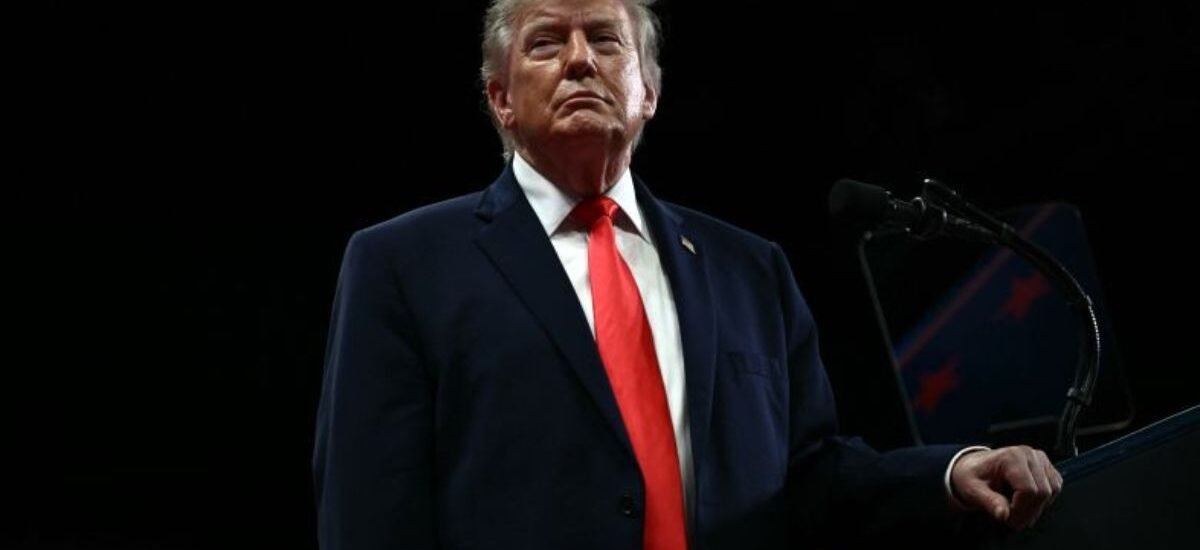
President Donald Trump has announced that the United States will stop providing approximately $4 billion in annual aid to Israel at the end of 2026. Explaining his decision, Trump said Israel has become a successful and economically strong country that no longer needs American financial and military assistance.
His comments have attracted international attention because the United States has been one of Israel’s most important military and financial supporters for decades. The announcement could mark a significant change in the relationship between the two countries, particularly regarding military cooperation and American foreign policy in the Middle East.
Trump made the remarks during an interview on November 3, 2026, as Americans headed to the polls for Election Day. He questioned why American taxpayers should continue providing billions of dollars to a country he believes is capable of supporting itself.
Trump Says He Reached an Agreement With Benjamin Netanyahu
During his interview with Fox News’ Fox & Friends, Trump said he had discussed the decision with Israeli Prime Minister Benjamin Netanyahu several months earlier.
According to Trump, Netanyahu agreed that Israel could stop receiving the annual financial support because the country had developed enough economic strength to manage its own defense expenses.
Trump also suggested that Israel would remain able to purchase American weapons and military equipment. He emphasized that the United States would continue helping Israel if assistance became necessary.
When asked whether the $4 billion involved cash payments or military equipment, Trump explained that the arrangement included different forms of support. However, he did not provide a detailed explanation of which programs would be terminated or how the funding agreement would be changed.
There was no immediate official response from Netanyahu’s office following Trump’s announcement. The exact terms of the reported agreement also remain unclear. ABC News+2
Existing US Military Aid Agreement Raises Questions
The announcement has raised questions because the United States and Israel already have a long-term military assistance agreement.
Under a 10-year memorandum of understanding signed in 2016, Washington committed to providing Israel with approximately $38 billion in military assistance between 2019 and 2028.
The arrangement includes around $3.3 billion annually in foreign military financing and approximately $500 million for missile defense cooperation.
Trump’s announcement appears to suggest that the United States could end the assistance earlier than originally scheduled. However, it remains uncertain how the administration plans to change the existing arrangement, particularly because Congress plays an important role in approving federal spending.
American military assistance has helped Israel purchase advanced weapons, aircraft, ammunition and defense systems, with much of the funding supporting American defense manufacturers.
Ending direct financial assistance would not necessarily mean that all military cooperation between the two countries would stop. Trump has indicated that Israel could continue purchasing American weapons, while Washington could provide additional support if required.
The proposed change could therefore transform the financial relationship between the two countries rather than completely end their military partnership. Reuters+2
Political Pressure and Future US Israel Relations
Trump’s announcement also comes amid growing political debate in the United States about financial and military support for Israel. Public opinion has become increasingly divided, particularly since the Gaza war began in October 2023.
Several Democratic politicians have questioned whether Washington should continue providing billions of dollars in assistance without stronger conditions. Michigan Democratic Senate candidate Abdul El-Sayed has also criticized unconditional American support for Israel.
Trump specifically mentioned El-Sayed during his interview, arguing that financial assistance to Israel had become a political issue that Republicans were being forced to defend.
According to reporting on a June Quinnipiac University poll, 48 percent of American voters and 66 percent of Democrats believed the United States was too supportive of Israel.
Meanwhile, Netanyahu has previously discussed reducing Israel’s dependence on American military assistance. He has expressed interest in moving the relationship toward a partnership in which Israel gradually takes greater responsibility for its own defense spending.
Although Trump described the reported agreement as a decision supported by both leaders, questions remain about its implementation and the future of the existing military assistance arrangement.
For now, the announcement represents a potentially major shift in US foreign policy. Whether the United States actually ends the approximately $4 billion in annual assistance by December 2026 will depend on the administration’s next steps and the role of Congress.
